memoire 1
For every captain who traded their compass for a manual, and finally decided to tear up the script.

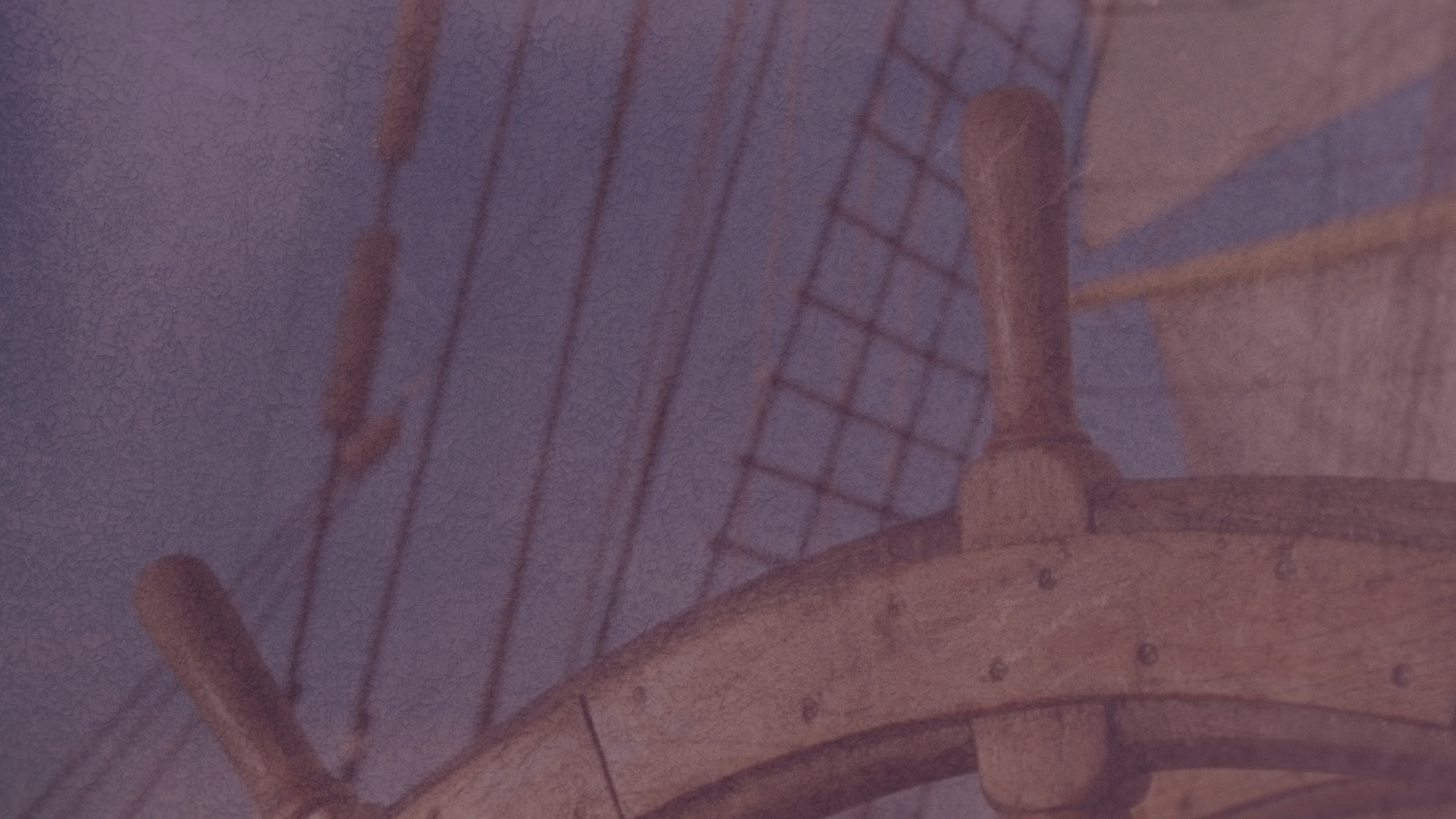
The floorboards of the bridge still creak under a weight I don’t quite recognize as my own. It is the weight of a person coming back to life, and life is rarely a quiet thing.
I remember the early days, back when the salt spray felt like an endorsement rather than an assault. I was a bold sailor then, carrying a fire that didn’t need a permit to burn. My intellect was my hull, and my pride was the wind. I didn’t ask for the stars to be explained to me; I simply pointed the bow at them and told the world to watch. I didn’t seek consensus; I sought the horizon. People followed because I wasn’t a product of a manual; I was the manual. I moved with the terrifying, beautiful arrogance of a creature that knew its own mind.
But harbors have a way of softening a captain. Every town we docked in, every contractor who leaned over a ledger with a pitying smile, chipped away at that certainty. They saw my youth and called it a liability. They offered “protocols” like they were offering a life jacket, telling me there were things I didn’t need to know, burdens I wasn’t meant to carry, and complexities I was too “young” to manage.
The betrayal didn’t come from the contractors, though. It came from the crew, the very people who had once cheered for my independence. They began to whisper in the galleys, agreeing with the harbors. They spoke to me as if I were a child playing at being a commander, convincing me that “safe” was the same thing as “good.” To survive, I performed a surgery on my own soul: I toned down. I plastered over the cracks of my ambition. I traded my compass for their blueprints because investors like a captain who stays in the lines. I was promoted to bigger ships, but I felt smaller with every knot we gained. I was no longer steering; I was playing a role in a play written by people who had never seen a storm.
By the time I stood on the deck of that massive, silent vessel, I was a ticking bomb. The crew there didn’t want a leader; they wanted a ghost to haunt the bridge while they ran the ship into the ground. I felt myself shattering. Every mistake I made, every “quantitative failure” that now sits so heavy in my lungs, was actually a scream for the independence I had buried in the name of “safety.” I was failing because I was trying to steer a ship with someone else’s hands.
So, I did the only thing a drowning captain can do. I didn’t beg for the old crew to return. I didn’t ask for permission to be myself again. I took on the debt. I took on the loan. I bought a ship so large it terrified me, and for the first time in years, I stopped delegating my life. I learned the ropes until my hands bled. I learned the engine until the grease was under my fingernails. I decided that if I were going to sink, I would at least be the one holding the wheel.
And slowly, the air changed. A new crew arrived, not one that wanted to tame me, but one that saw the captain I was trying to invite back from the exile of my own mind. They didn’t see a “younger mind”; they saw a sovereign soul.
Lately, the numbers look like a failure. The logistics are messy, the path is jagged, and I mishandle the wheel sometimes because this ship is heavier than anything I’ve ever moved. It is a massive, daunting thing to carry the weight of your own potential. But for the first time, the mistakes are mine. They aren’t the result of a manual or a protocol; they are the friction of a spirit re-learning how to be free.
I look at the wreckage of the last few months, the “fails” that feel so sheer and difficult to breathe out in a single go, and I realize the truth I was too afraid to acknowledge in the safety of the harbors.
What is a mistake, if not a failure? It is proof of life. It is proof that the captain has returned to the bridge. It is the proof that the ship is finally moving under its own command.
I am not failing; I am simply breaking the silence of a long, borrowed sleep. I am finally, violently, and beautifully, at the helm.